Book Appointment Now

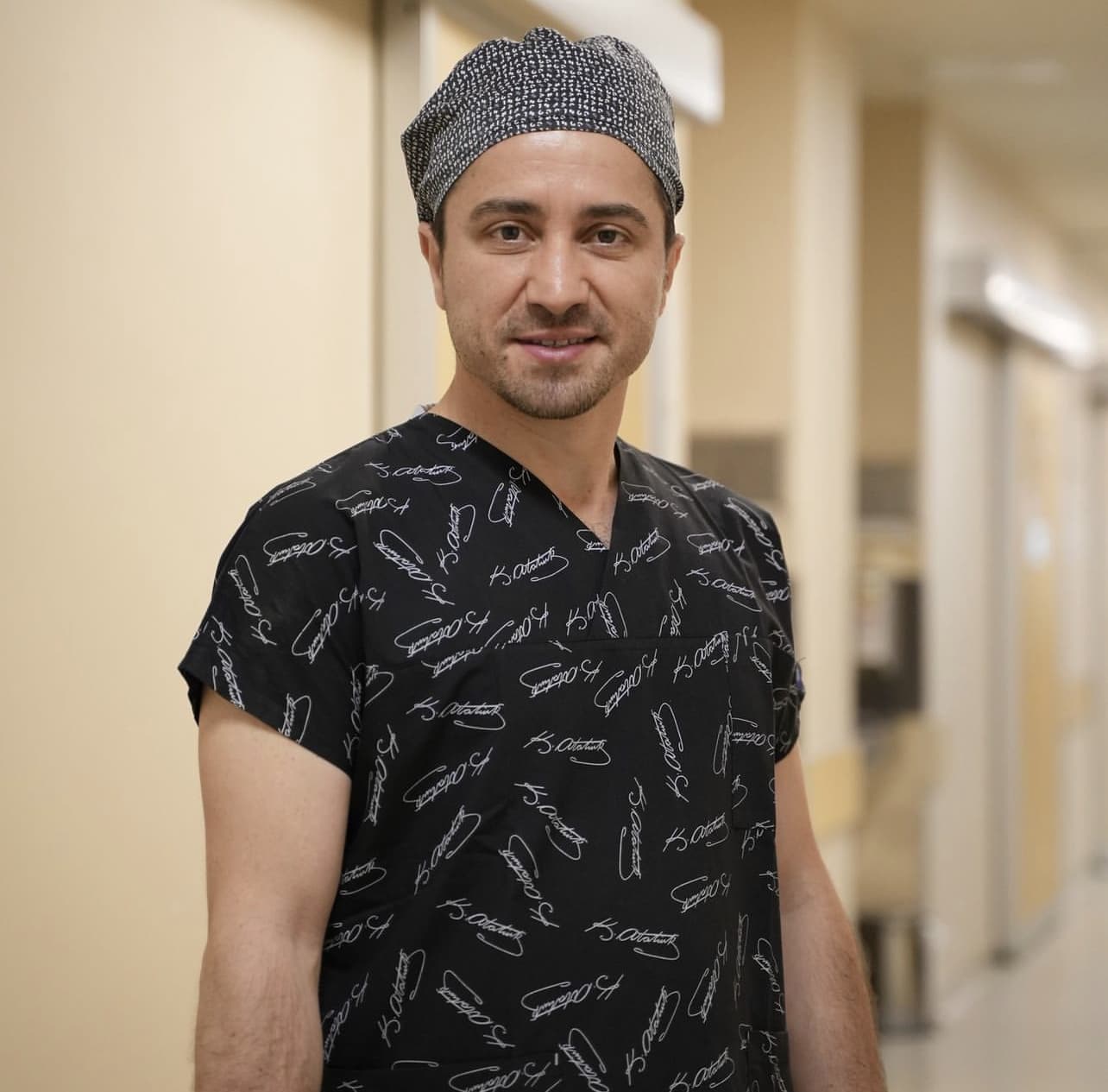
Rhinoplasty Doctor Recommendation in Antalya

Rhinoplasty Doctor Recommendation in Antalya
Thanks to Antalya’s advanced medical infrastructure and well-equipped healthcare centers, rhinoplasty surgeries are performed to high standards. These centers are designed with a focus on patient comfort and safety, and they offer healthcare services in line with international standards. Antalya is a prominent destination for beauty and aesthetics, and rhinoplasty is one of the most frequently preferred aesthetic operations in the city. This procedure is performed to correct the shape of the nose, improve nasal functions, and enhance aesthetic appearance. Those considering aesthetic procedures can safely undergo surgery by researching rhinoplasty doctor recommendations in Antalya.
Who Is a Candidate for Rhinoplasty?
Rhinoplasty surgeries may be preferred for a variety of reasons. Here are some situations where rhinoplasty may be applicable:
- Congenital Deformities: Some individuals may be born with nasal deformities. Asymmetry, nasal bone deviations or protrusions, and irregularities in the nostrils can naturally occur. People experiencing both aesthetic and functional issues due to such deformities may opt for rhinoplasty to address these concerns.
- Post-Trauma Deformities: Trauma from accidents, impacts, or sports injuries can lead to nasal deformities. Nasal fractures, bone displacement, or cartilage damage can affect the nose’s aesthetic appearance. In such cases, rhinoplasty can correct these deformities.
- Breathing Problems: Deviated septum, enlarged turbinates, or turbinate hypertrophy can cause functional problems in the nose. These conditions may negatively impact breathing and lead to issues such as sleep apnea or snoring. Rhinoplasty may be performed to address both aesthetic concerns and improve nasal function.
- Aesthetic Preferences: Some individuals may desire a more defined or smaller nose despite having a naturally normal nasal appearance. Aesthetic rhinoplasty procedures aim to increase self-confidence and achieve a more harmonious facial appearance.
Candidates suitable for rhinoplasty are generally healthy individuals who have completed their physical development. Preoperative evaluation by a doctor and clear communication of patient expectations are essential. A personalized treatment plan should be created for each patient, and careful post-operative recovery should be followed.
What Age Is Appropriate for Rhinoplasty?
The appropriate age for rhinoplasty depends on the individual’s development. Generally, cosmetic rhinoplasty is recommended after the nasal cartilage has fully matured. This is typically around age 15 for girls, while it may take slightly longer for boys. However, if there are functional issues like breathing problems, rhinoplasty can be performed at a younger age. In such cases, the child\’s nasal development and health status are evaluated, and the decision is made based on the doctor’s recommendation.
Although there is no strict age limit for rhinoplasty, it is important to wait until children and adolescents have completed their physical and psychological development. During this period, open and healthy communication about body image and aesthetic expectations is essential. Since each case is different, it is crucial to consult a specialist plastic surgeon to determine the best age for surgery. The doctor will assess factors such as the patient’s medical history, nasal structure, growth potential, and expected surgical outcomes to determine the most appropriate timing. While rhinoplasty is more commonly performed on adults, children and adolescents may also be suitable candidates if deemed appropriate. The key is to make this decision under the guidance of an experienced physician, prioritizing the patient’s health and overall development.
Burun Ameliyatı Nasıl Yapılır?
Nose surgery (rhinoplasty) is typically performed under general anesthesia, meaning the patient is asleep and feels no pain or discomfort during the procedure. At the beginning of the operation, depending on the surgeon’s preference, either a closed or open rhinoplasty technique is used. In closed rhinoplasty, the surgeon accesses the nasal structures through incisions made inside the nose. In open rhinoplasty, a small incision is made on the columella (the tissue between the nostrils) to provide better visibility and access. The choice of technique depends on the patient’s specific condition and desired outcome.
During the procedure, the surgeon makes necessary adjustments to the nasal bones, cartilage, and skin. The bones may be realigned, cartilage reshaped, and if needed, additional cartilage grafts may be used. The nasal skin and soft tissues are also reshaped according to the desired result. The duration of the surgery varies depending on its complexity and the extent of modifications, but it typically takes between 1 and 3 hours.
After the operation, patients are usually kept under observation for a few hours and then discharged to return home or to their accommodation. In the first few days, a nasal bandage and a stabilizing splint may be used. Swelling, bruising, and mild discomfort are common during the recovery period. However, these can be managed by following the doctor\’s instructions regarding medication and rest.
The healing process differs for each patient, but significant improvement is generally seen within the first few weeks. Swelling and bruising gradually subside, the new shape of the nose becomes more apparent, and final results may take several months to fully emerge. It is important to follow the doctor’s post-operative care instructions, attend all follow-up appointments, and report any complications immediately.
How to Prepare for a Rhinoplasty Procedure?
There are several important factors to consider when preparing for rhinoplasty. After receiving a rhinoplasty doctor recommendation in Antalya, patients should follow their surgeon’s pre-operative guidelines:
- Communication with the Doctor: First and foremost, a detailed consultation should be conducted with the surgeon. Patients should clearly express their expectations, ask questions about potential results, and be informed about the procedure and recovery.
- Evaluation of Medical History: Prior to surgery, the doctor will assess the patient’s medical history and current health condition. Conditions such as bleeding disorders, heart disease, or diabetes may influence surgical risk. Therefore, it is crucial to provide complete and accurate information about any medical issues.
- Informing About Medications and Supplements: Patients must inform their doctor about all medications and supplements they are taking before and after surgery. Blood-thinning medications such as aspirin and ibuprofen should be avoided as they can increase the risk of bleeding by affecting blood clotting.
- Avoiding Smoking and Alcohol: Smoking and alcohol consumption can negatively impact the healing process after surgery. It is essential to refrain from these habits both before and after the procedure. Your doctor will provide you with the necessary guidance on this matter.
- Medication and Alcohol Intake
Before surgery, medications and alcohol should be used strictly in accordance with the doctor\’s instructions. Any prescribed medications should be taken regularly during the period leading up to the operation, and alcohol consumption should be limited or avoided as recommended. - Nutrition and Fluid Intake
Maintaining a healthy diet and ensuring adequate fluid intake is crucial before surgery. Your doctor will guide you on which foods and beverages are appropriate to consume in the days prior to the procedure. - Post-Surgery Support
Post-operative care and support play a significant role in recovery. After rhinoplasty surgery, you should strictly follow your doctor’s advice, take prescribed medications regularly, attend follow-up appointments, and be attentive throughout the healing process.
Preparations Before Rhinoplasty
Here are the steps to consider when preparing for a rhinoplasty procedure:
- Doctor Consultation: A thorough consultation should be held with the specialist who will perform the surgery. You should discuss your expectations, desired outcomes, and learn about the entire surgical process. It\’s essential to fully understand and follow your surgeon’s instructions.
- Medical Evaluation: Prior to surgery, your doctor will assess your overall health. Blood tests, X-rays, or other evaluations may be required to ensure that the operation can be performed safely.
- Avoiding Smoking and Alcohol: Smoking and alcohol use can negatively affect post-surgical healing. It\’s recommended to refrain from these for several weeks before the surgery.
- Medications and Supplements: Share all current medications and supplements with your doctor. Some medicines, especially blood thinners, may need to be discontinued before the surgery to minimize the risk of excessive bleeding.
- Nutrition and Hydration: Adopting a healthy diet and drinking plenty of water before surgery is vital. Your doctor will provide guidance on which foods and drinks are recommended before the procedure.
- Work Planning: Allocate enough time for rest and recovery after surgery. Make sure to arrange your work and social calendar in accordance with the post-surgery period.
- Support System: Having someone available to assist you after the surgery is important. You may need help at home during the initial days, so coordinating with a friend or family member beforehand is highly recommended.
- Pre-Surgery Instructions
Your doctor will provide you with pre-surgery instructions. It is crucial to follow these instructions precisely to ensure the surgery is performed safely and successfully.
What Should Be Considered After Rhinoplasty Surgery?
After rhinoplasty surgery, attention should be paid to the following points:
- Rest: It is important to prioritize rest and get adequate sleep during the recovery period. Avoiding physical activities and exercise helps your body focus on healing.
- Taking Medications Regularly: You should take the medications prescribed by your doctor regularly. Painkillers, antibiotics, and other medications are important to reduce pain and prevent the risk of infection.
- Protecting Bandages and Splints: Bandages and splints placed on the nose after surgery should be protected for the recommended duration. These help maintain the shape of the nose and reduce swelling.
- Nasal Cleaning: You should clean your nose as recommended by your doctor. Using nasal sprays or saline solutions can help moisturize and clean the inside of the nose.
- Cold Compresses: Applying cold compresses around the nose area after surgery can help reduce swelling. Use cold compresses as advised by your doctor.
- Nutrition: It is important to maintain a healthy diet during the healing process. A diet rich in antioxidants, proteins, and vitamins can support recovery.
- Doctor Check-ups: It is essential to attend follow-up appointments at specific intervals after surgery. Follow your doctor\’s schedule for these visits.
- Avoiding Activities: You should avoid heavy physical activities, excessive sun exposure, and hot environments such as baths or saunas during the recovery period. This supports the healing of nasal tissues.
- Safety Measures: Be cautious during the recovery period and follow safety precautions to avoid accidents. Especially protect your nose and facial area by using appropriate protective equipment during sports or physical activities.
What Are the Types of Rhinoplasty Surgeries?
One of the methods used in rhinoplasty surgery is the closed rhinoplasty technique. In closed rhinoplasty, the incisions are made inside the nose, leaving no visible scars on the outside. This technique is preferred for smaller corrections or to address mild shape deformities. The advantages of the closed technique include less swelling and bruising, a quicker recovery process, and minimal tissue trauma. However, the surgeon\’s view is more limited, which is why it is not preferred for complex or severe deformities. Both techniques can be suitable for specific conditions and patients. The technique chosen will depend on the patient\’s needs and the experience of the surgeon performing the surgery. Your doctor will explain which technique they plan to use and why they prefer it, offering the most appropriate option for you. The choice of surgical technique is made by considering the person\’s nose structure, the degree of deformity, post-surgery expectations, and the surgeon\’s preferences. After a detailed evaluation with your doctor, the technique to be used in the surgery will be decided. It is important to work with a reliable physician after receiving advice from an Antalya rhinoplasty doctor and to ask all your questions and share any concerns before the surgery.